
120 Pest provides comprehensive termite inspection, treatment, and protection services for homeowners and real estate professionals across Milton, Alpharetta, Roswell, Johns Creek, and the surrounding Golden Triangle communities. With over 30 years of termite control experience and an ACE (Associate Certified Entomologist) credential, our inspectors understand the biology, behavior, and seasonal patterns of every wood destroying organism common to Georgia. That expertise is the difference between catching a problem early and discovering it after the damage is done.
The Importance of Annual Termite Inspections
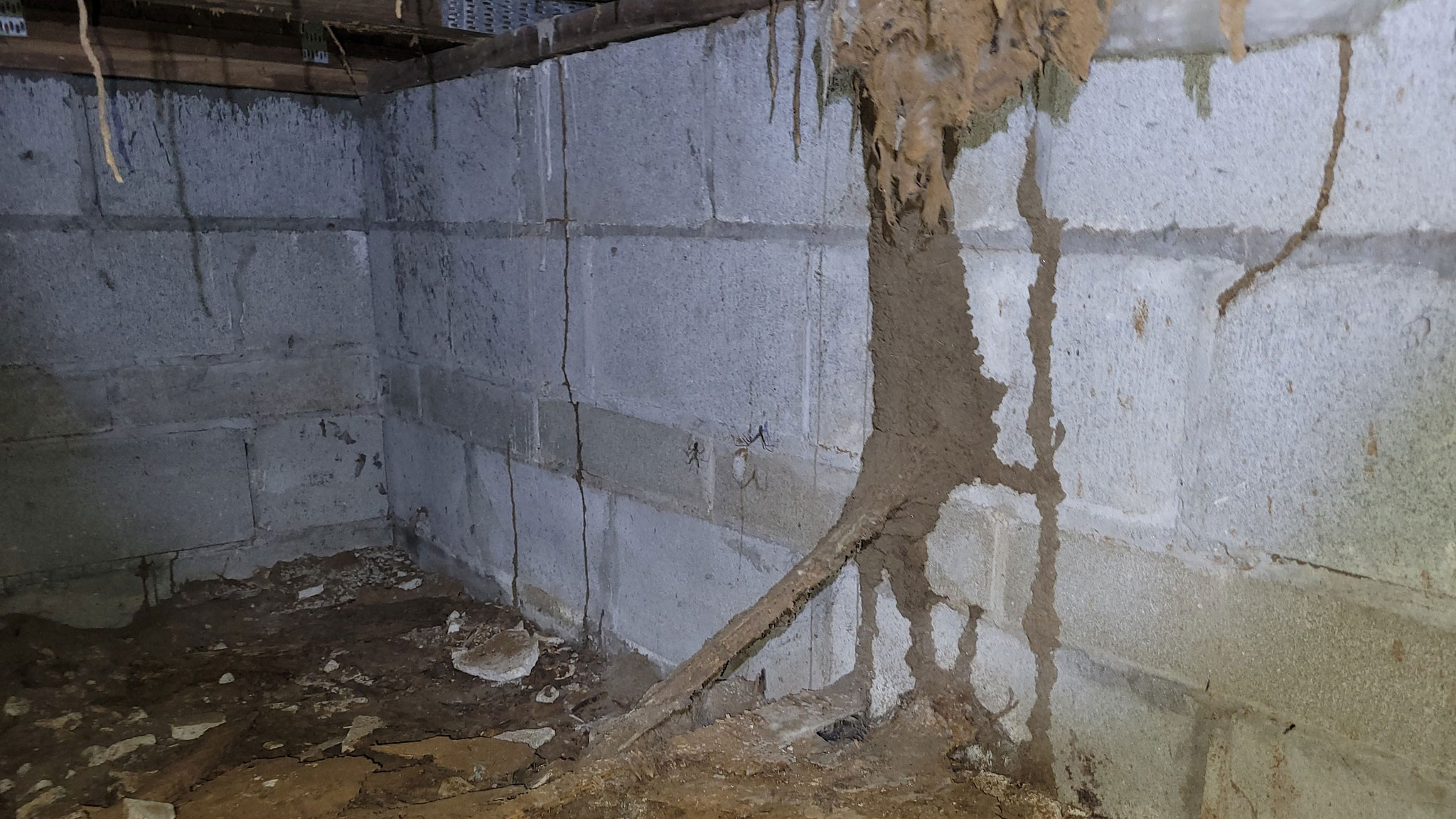
Most homeowners don’t think about termites until they see a swarm, notice soft wood, or receive a surprise finding during a real estate transaction. By that point, the colony has been feeding for months or even years. Subterranean termites build their colonies underground and access your home through mud tubes as narrow as a pencil. They consume wood from the inside out, leaving the exterior surface intact while hollowing out the structural material behind it.
An annual termite inspection is the most reliable way to catch activity before it becomes a costly repair. During an inspection, our technician evaluates all visible and accessible areas of the property, including:
- Foundation walls, piers, and support beams
- Crawl spaces and basements
- Exterior siding, window frames, and door frames
- Attic access points and roof eaves
- Attached garages and storage structures
- Areas where wood contacts or is close to the soil
- Moisture conditions that attract termite activity
The inspection identifies evidence of active infestation, previous infestation, previous treatment, and any conditions that make the property more vulnerable to future termite problems. For homeowners in the area, where many properties feature mature landscaping and homes built ten or more years ago, annual inspections are especially important because the risk factors compound over time.
Termite Treatment Options
When an inspection reveals active termites or evidence of recent activity, having a treatment plan ready protects your home and prevents further damage. 120 Pest offers two proven treatment approaches, and both include a one-year renewable warranty.
Liquid Termite Treatment
Our liquid termite treatments use Termidor products, the industry standard for subterranean termite control. 120 Pest is a certified authorized applicator of Termidor, which means our technicians are trained and approved to use the product according to the manufacturer’s specific protocols.
Termidor works differently from older termiticides. It’s undetectable to termites, so they pass through the treated soil without avoiding it. As they move through the treatment zone, they pick up the product on their bodies and transfer it to other colony members through normal contact and grooming behavior.
Key advantages of liquid treatment include:
- Full colony elimination. The transfer effect targets the colony at its source, not just the termites that directly contact the treatment.
- Long-lasting protection. Termidor is tested to last seven to ten years under normal conditions, providing extended defense without frequent reapplication.
- Lower product volume. Modern formulations use approximately half the amount of older products, reducing the overall amount of pesticide applied to your property.
- Effective against active infestations. Liquid treatment kills termites currently attacking your home while establishing a barrier against future intrusion.
- Safe after application. Once the treatment has dried, the treated zone is safe for children and pets.
- One-year renewable warranty. All liquid treatments include a warranty that can be renewed annually for ongoing protection.
For homes with active termite damage, liquid treatment is often the most direct and cost-effective solution. It addresses the immediate infestation and establishes protection that lasts for years.
Termite Baiting Systems
For properties where a liquid treatment isn’t the ideal fit we install Trelona termite bait stations. Trelona represents the next generation of termite baiting technology and offers significant advantages over older systems.
Unlike its predecessor, the Advance Termite Bait System, which required quarterly monitoring visits and only introduced active bait after termites were detected in the station, Trelona stations contain active bait from the day of installation. They work continuously, they don’t require quarterly monitoring, and they provide protection around the clock.
Here’s how the system works:
- Stations are placed approximately every 15 feet around the foundation of your home.
- A small hole is dug for each tamper-resistant station, and the station is installed with minimal disruption to existing landscaping.
- Active bait is present from day one — no waiting period for termite activity to trigger the system.
- Termites that encounter the station consume the bait and share it with the colony through normal feeding behavior, leading to colony elimination.
Trelona stations leave a smaller footprint in your landscaping than liquid treatments, and the warranty is transferable to a new owner, making baiting an especially attractive option during real estate transactions. All baiting systems include a one-year renewable warranty and are safe for children and pets.
WDO Inspections for Real Estate Transactions
If you’re buying or selling a home in the Golden Triangle, a wood destroying organism inspection is a critical step in the transaction process. Most lenders require a current Georgia Wood Infestation Report before approving financing, and VA and FHA loans almost always mandate one. Even when not strictly required, a WDO inspection protects both buyer and seller by documenting the condition of the property at the time of sale.
Georgia uses its own Official Georgia Wood Infestation Report rather than the national NPMA-33 form. This state-required document, commonly called a termite clearance letter or WDIR, discloses findings related to all wood destroying organisms, including subterranean termites, drywood termites, powder post beetles, old house borers, and wood decaying fungi.
Our inspectors carry Supra keys and can use CBS codes to access listed properties independently, which means inspections can be scheduled and completed without requiring the agent or homeowner to be present. For real estate professionals managing multiple closings across Milton, Alpharetta, Roswell, and Johns Creek, that flexibility keeps transactions on schedule.
If a termite problem is found during a WDO inspection, we provide free estimates for treatment. Once the work is complete, we reissue the report at no additional charge.
Prevention vs. Treatment: Protecting Your Investment
Termite treatment after an infestation is discovered is essential, but prevention is always the smarter long-term strategy. Subterranean termite colonies can contain hundreds of thousands of individuals, and a mature colony consumes wood continuously. The cost of repairing structural damage from an established infestation almost always exceeds the cost of proactive protection.
A prevention-first approach includes three components:
- Annual inspections. A professional inspection each year catches early signs of activity before damage accumulates. This is especially important for homes with crawl spaces, older foundations, or extensive landscaping that retains moisture near the structure.
- Active treatment systems. Whether you choose a liquid barrier or a baiting system, having a treatment in place creates a continuous line of defense against colonies foraging in the soil around your property.
- Moisture management. Termites are attracted to moisture. Addressing drainage issues, fixing leaking faucets near the foundation, ensuring gutters direct water away from the home, and maintaining proper ventilation in crawl spaces all reduce the conditions that draw termites to your property.
For homeowners who haven’t had a termite inspection in the past year, scheduling one before swarm season is one of the most cost-effective steps you can take to protect your home.
Why Homeowners Trust 120 Pest for Termite Control
Termite work requires precision, experience, and accountability. The products and application methods matter, but so does the company standing behind the work. Here’s what sets our termite services apart:
- 30+ years of termite control experience. We’ve inspected and treated properties across North Georgia for over three decades. Our team has encountered every construction type, soil condition, and infestation scenario common to this region.
- ACE-certified team. Our Associate Certified Entomologist credential means we bring scientific expertise to every inspection and treatment — not just a spray rig and a checklist.
- Certified Termidor applicator. We’re authorized by the manufacturer to apply Termidor products, ensuring proper protocol and product performance.
- One-year renewable warranties. Every treatment — liquid or bait — includes a warranty that can be renewed annually for continuous protection.
- Free estimates and free report reissue. If a problem is found, we quote the treatment at no cost. If we perform the treatment, the WDO report is reissued free of charge.
- Local and responsive. We’re a family-owned company based in Canton. When you call, you reach a real person who can schedule your inspection, answer your questions, and coordinate treatment without routing you through a national call center.
Our Service Area
120 Pest provides termite inspection, treatment, and protection services throughout Milton, Alpharetta, Roswell, Johns Creek, Canton, Woodstock, Holly Springs, Ball Ground, Cumming, Jasper, and Marietta. For real estate professionals who work across the Golden Triangle and North Fulton corridor, we offer consistent quality and reliable turnaround across the entire region.
Frequently Asked Questions
How often should I have a termite inspection?
An annual termite inspection is recommended for all homes in Georgia, particularly properties without an active termite warranty or treatment system in place. Annual inspections catch early signs of activity before damage becomes significant.
What’s the difference between liquid treatment and baiting?
Liquid treatment creates a chemical barrier in the soil around your foundation that eliminates termites on contact and through colony transfer. Baiting uses strategically placed stations around the perimeter that termites feed on and carry back to the colony. Both methods include a one-year renewable warranty. Your technician will recommend the best option based on your property’s construction, landscaping, and specific situation.
How long does a liquid termite treatment last?
Termidor liquid treatments are tested to last seven to ten years under normal conditions. The one-year renewable warranty ensures your home remains protected, and annual renewal inspections confirm the treatment is still performing effectively.
Do you carry Supra keys for real estate inspections?
Yes. Our inspectors carry Supra keys and can use CBS codes to access listed properties without requiring the agent or homeowner to be present. This makes scheduling inspections faster and more flexible during busy closing periods.
What happens if termites are found during my inspection?
We provide a free estimate for treatment — either liquid or baiting, depending on what makes the most sense for your property. If the inspection is tied to a real estate transaction, we reissue the Official Georgia Wood Infestation Report at no charge once treatment is complete.
Is termite treatment safe for my family and pets?
Yes. Liquid treatments are safe for children and pets once the application has dried. Trelona bait stations are tamper-resistant and locked, keeping the active ingredient securely contained and safe for anyone around them.
Schedule Your Termite Inspection Today
Whether you’re due for an annual inspection, preparing for a real estate closing, or concerned about termite activity on your property, 120 Pest has the experience, certifications, and local knowledge to protect your home. Don’t wait for visible damage to appear. By the time you see it, the colony has been feeding for far longer than you’d expect. Contact us today to schedule your termite inspection.