
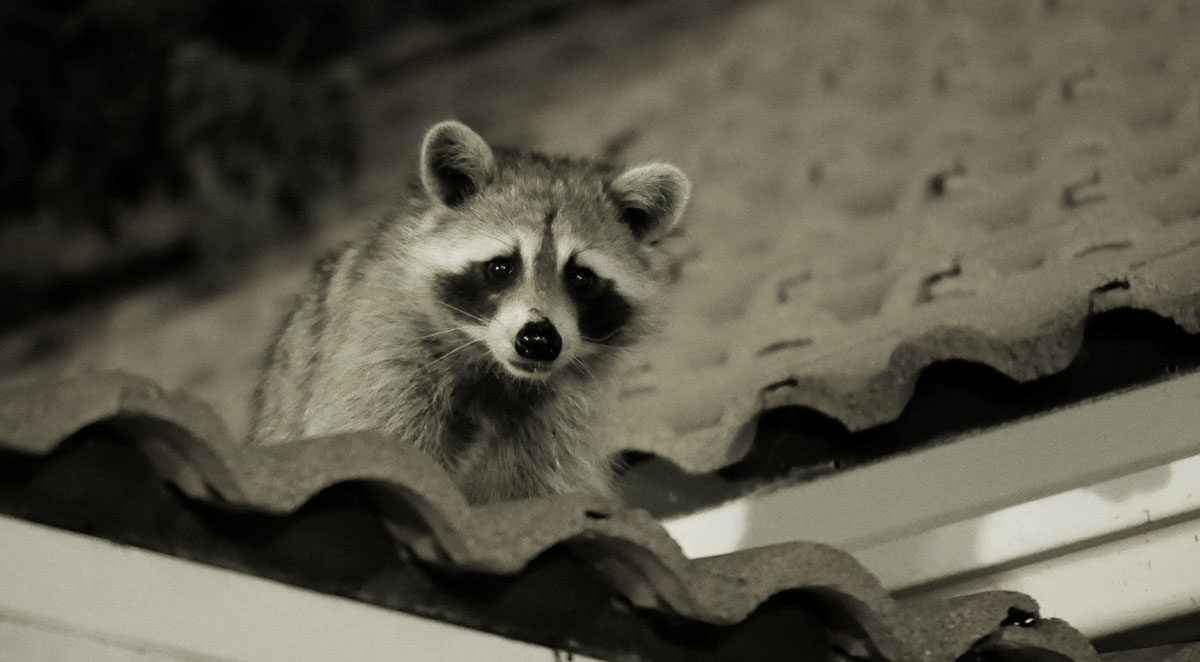
Winter pest control protects Georgia homes during the months when many pests move indoors for warmth, food, and shelter. Rodents, spiders, cockroaches, and overwintering insects remain active in colder weather, and subterranean termites continue feeding underground throughout the year.
This article explains which winter pests Georgia homeowners commonly encounter, why year-round pest control is important, and how winter pest prevention reduces the risk of infestations in spring. It also covers what to watch for in attics and crawl spaces and how quarterly service keeps your home protected through every season.
Quick Summary
- Many pests move indoors during winter to escape cold temperatures.
- Rodents, spiders, and cockroaches are among the most common winter pests in Georgia homes.
- Overwintering insects such as stink bugs, lady beetles, and cluster flies hide inside walls and attics.
- Subterranean termites remain active underground throughout the year.
- Winter treatment helps reduce the chance of spring infestations.
- Quarterly service includes a winter visit that keeps your home’s protective barrier in place.
Common Winter Pests in Cherokee County
North Georgia has milder winters than many northern states, yet cold snaps still push pests toward shelter. Homes in Canton, Woodstock, Ball Ground, and nearby communities provide the warmth, moisture, and food these pests need to survive the season.
The most common winter pests Georgia homeowners deal with include:
- Rodents: Mice and rats look for warm nesting sites near food and water.
- Spiders: Many spiders settle into garages, basements, and quiet corners of the home.
- Cockroaches: Some species live indoors year-round thanks to heating and plumbing.
Each of these pests behaves differently in the colder months. The sections below explain what draws them indoors and how to reduce their activity.
Why Rodents Invade Homes in Winter
Rodents in winter are one of the most frequent concerns for homeowners in Canton and the surrounding area. As outdoor food sources shrink and temperatures fall, mice and rats search for warm spaces close to reliable food and water. Attics, garages, crawl spaces, and wall voids offer all three.
Mice can squeeze through very small gaps. Openings around utility lines, damaged vents, gaps under garage doors, and cracks in the foundation can all serve as entry points. Once inside, rodents may chew wiring, contaminate stored food, and damage insulation.
Signs of Rodent Activity
Watch for these common warning signs:
- Droppings in cabinets, pantries, or along baseboards
- Gnaw marks on food packaging, wood, or wires
- Scratching or scurrying sounds in walls or ceilings, especially at night
- Shredded paper, fabric, or insulation used for nesting
- Grease marks along walls where rodents travel repeatedly
Mice are among the pests covered under the 120 Pest residential pest control protection plan. For businesses, 120 Pest offers canine detection and abatement for rodents, which uses nationally certified detection dogs to locate hidden rodent activity in commercial facilities.
Overwintering Pests: Stink Bugs, Lady Beetles, and Cluster Flies
Some insects survive winter by overwintering, which means they find a protected spot and enter a dormant state until warm weather returns. These insects often choose the walls, attics, and window frames of homes as their protected spot.
Stink Bugs
Brown marmorated stink bugs gather on sunny exterior walls in the fall and crawl through gaps around windows, doors, siding, and attic vents. They spend the winter hidden in wall voids and attics. On warm winter days, they may wander into living spaces, and crushing them releases their well-known odor.
Lady Beetles
Multicolored Asian lady beetles, often mistaken for native ladybugs, cluster on light-colored, sun-facing walls before moving indoors. They can gather in large numbers in attics and window frames. When disturbed, they may release a yellowish fluid that can stain surfaces.
Cluster Flies
Cluster flies look similar to house flies and move more slowly. They tend to collect in attics and upper floors, then appear near windows on sunny winter days when the warmth draws them out.
Overwintering pests enter through small openings around the outside of the home. The perimeter treatment applied during routine service supports winter pest prevention at those entry points, and technicians can recommend the best approach for your property.
Cockroach Activity in Heated Homes
Cockroaches that live indoors stay active through the winter. Heated homes give them a steady, comfortable environment with access to food crumbs, pet food, and moisture from sinks, dishwashers, and water heaters.
German cockroaches live almost entirely indoors and reproduce quickly. A small problem in November can grow into a much larger one by February. Other species that normally live outdoors may also move inside in search of warmth.
Roaches are among the 15+ pests covered by the 120 Pest protection plan. Some cockroach problems require an interior treatment, and interior service is included at no additional charge.
Termites Remain Active Year-Round
Termites are one of the strongest reasons to keep year-round pest control in place. Subterranean termites, the most common type in Georgia, live in colonies in the soil. During colder months, they can move deeper underground where temperatures stay more stable, and colonies that have reached a warm, moist structure may continue feeding inside it.
Termite damage can continue through the winter without visible signs. Many Georgia homeowners first notice termites in late winter or spring when swarmers appear, which often indicates a colony has been established for some time.
Winter is a practical time to schedule a termite inspection. 120 Pest offers several termite services, including:
- Termite inspections
- Liquid termite treatments
- Termite baiting systems
- WDO/WDI letters for real estate transactions
Read our blog about termite swarms in Georgia, what homeowners need to know.
Benefits of Winter Pest Treatment
Winter pest treatment addresses pests during the same months they are trying to get inside. For most homeowners, that timing makes winter treatment worth it.
Key benefits of off-season pest control include:
- Stopping indoor infestations early: Rodents and roaches are easier to manage before populations grow.
- Maintaining your protective barrier: Treatments can last up to 90 days depending on weather and environment, so regular visits keep protection in place.
- Catching hidden problems: A professional inspection can identify signs of activity in places homeowners rarely check.
- Spider web removal: Exterior spider control is always included with the residential plan.
- Peace of mind: You enter spring knowing your home was protected throughout the colder months.
Why Quarterly Service Includes Winter Visits
The 120 Pest protection plan is built around four scheduled visits a year, so one visit falls during the colder months. That winter visit keeps your home’s protection continuous during the season when many pests push indoors.
Each scheduled visit follows a consistent process:
- Inspection: A trained technician walks around your home looking for pests that need immediate attention.
- Spider web removal: Webs are removed from the eaves and other areas, and a product is applied to help prevent them from returning.
- Granular application: This provides extended protection between visits.
- Perimeter application: A liquid treatment is applied at entry points and areas where pests hide, crawl, or travel.
- Interior treatment: Technicians apply a targeted treatment when pests are present inside.
- Free return visits: If pests get past the exterior barrier, you can request a return visit at no additional cost.
The plan is a month-to-month subscription with no long-term agreements. For pricing details, please contact our team and we will walk you through your options. Homeowners interested in a natural approach can also ask about the green pest control plan.
Preventing Spring Infestations with Winter Treatment
Pest activity in winter directly affects what homeowners see in spring. Rodents that nest indoors in January may produce several litters before the weather warms. Overwintering insects hiding in walls emerge once temperatures rise, and termite colonies that go unnoticed may swarm in spring.
Winter treatment helps you get ahead of these problems in three ways:
- It reduces pest populations before warm weather triggers breeding and activity.
- It keeps entry points treated during the months when pests are most motivated to come inside.
- It gives technicians a chance to identify conducive conditions before they become larger issues.
Consistent winter service sets up a stronger foundation for a pest-free spring and summer.
Attic and Crawl Space Concerns in Winter
Attics and crawl spaces are two of the most common hiding places for winter pests. These areas are quiet, rarely visited, and often warmer than the outdoors. Rodents, overwintering insects, and spiders can settle into them for weeks without being noticed.
What to Look for in Your Attic
- Droppings or nesting materials in insulation
- Chewed wires or stored boxes
- Clusters of stink bugs, lady beetles, or flies near vents and windows
What to Look for in Your Crawl Space
- Excess moisture, which attracts roaches and termites
- Mud tubes along foundation walls, a common sign of subterranean termites
- Rodent droppings or signs of burrowing
Simple Homeowner Steps
A few simple habits can reduce winter pest activity:
- Store firewood away from the house and off the ground.
- Keep gutters clear so water drains away from the foundation.
- Store pantry items and pet food in sealed containers.
- Repair leaky pipes and reduce moisture where possible.
- Trim shrubs and branches that touch the house.
If you notice any of the warning signs above, schedule a professional inspection. For more, read our blog about rodent control in Georgia
FAQ About Winter Pest Control
Do you need pest control in winter in Georgia?
Yes. Several pests active in winter Georgia homes, including rodents, cockroaches, and termites, continue to cause problems in the colder months. Winter is when many of these pests move indoors.
Is winter pest treatment worth it?
For most homeowners, yes. Winter treatment maintains your protective barrier, addresses pests as they try to come inside, and helps prevent larger infestations in spring.
What pests are most common in winter months?
Rodents, spiders, and cockroaches are among the most common pests in winter months. Overwintering insects such as stink bugs, lady beetles, and cluster flies also hide inside homes.
Are termites active in winter?
Subterranean termites remain active year-round. They may move deeper into the soil during cold weather, and colonies can continue feeding, especially inside a warm structure.
How often does 120 Pest service my home?
The pest protection plan includes four scheduled visits a year, plus free return visits if pests come back between services.
Do I have to sign a long-term contract?
No. The plan is a month-to-month subscription, and you can keep service for as long as it works for you.
Conclusion: Maintain Protection Year-Round
Rodents, cockroaches, overwintering insects, and termites all remain a concern for Georgia homeowners during the colder months. Year-round pest control keeps your home’s defenses in place through every season and reduces the chance of a larger problem in spring.
120 Pest is a family-owned company with more than 30 years of experience serving Canton, Woodstock, Cumming, Alpharetta, Milton, Holly Springs, Ball Ground, Jasper, and Marietta. Our team lives and works in the communities we serve, and when you call, you talk with local people who can make decisions. To protect your home this winter, contact 120 Pest today or call (404) 247-8091 to schedule service.

